

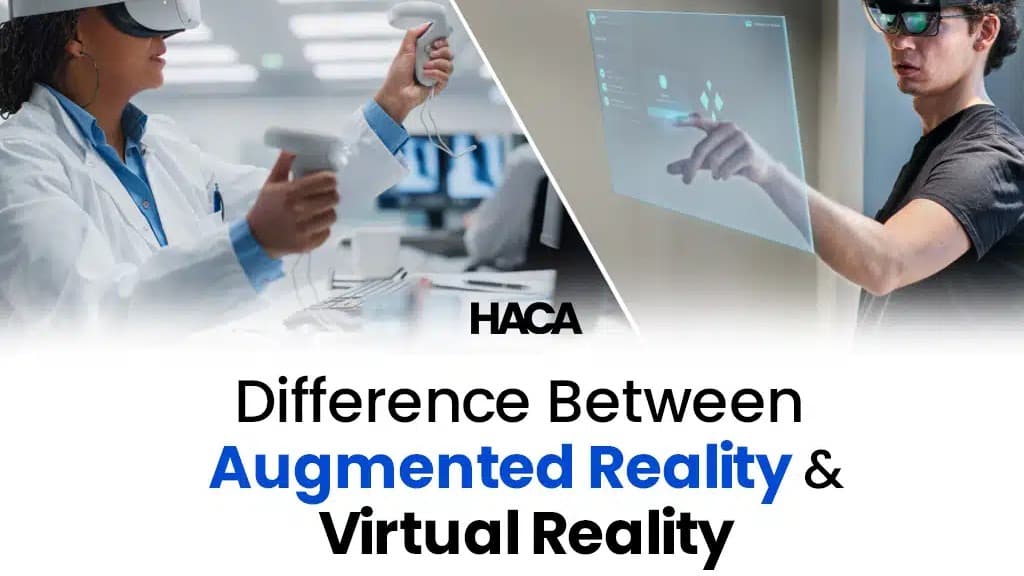
As Albert Einstein once said, “Reality is merely an illusion, albeit a very persistent one.” The difference between augmented reality and virtual reality brings this idea to life by letting us bend and reshape our perceptions.
Imagine digital elements blending seamlessly with your surroundings or transporting you into an entirely virtual world–AR (Augmented Reality) and VR (Virtual Reality) make it all possible.
Both these technologies bring our imaginations to life but in very different ways. But what exactly is the difference between augmented reality and virtual reality? Let’s explore what sets AR and VR apart and why they’re so exciting.
Explaining the Key Difference Between Augmented Reality and Virtual Reality
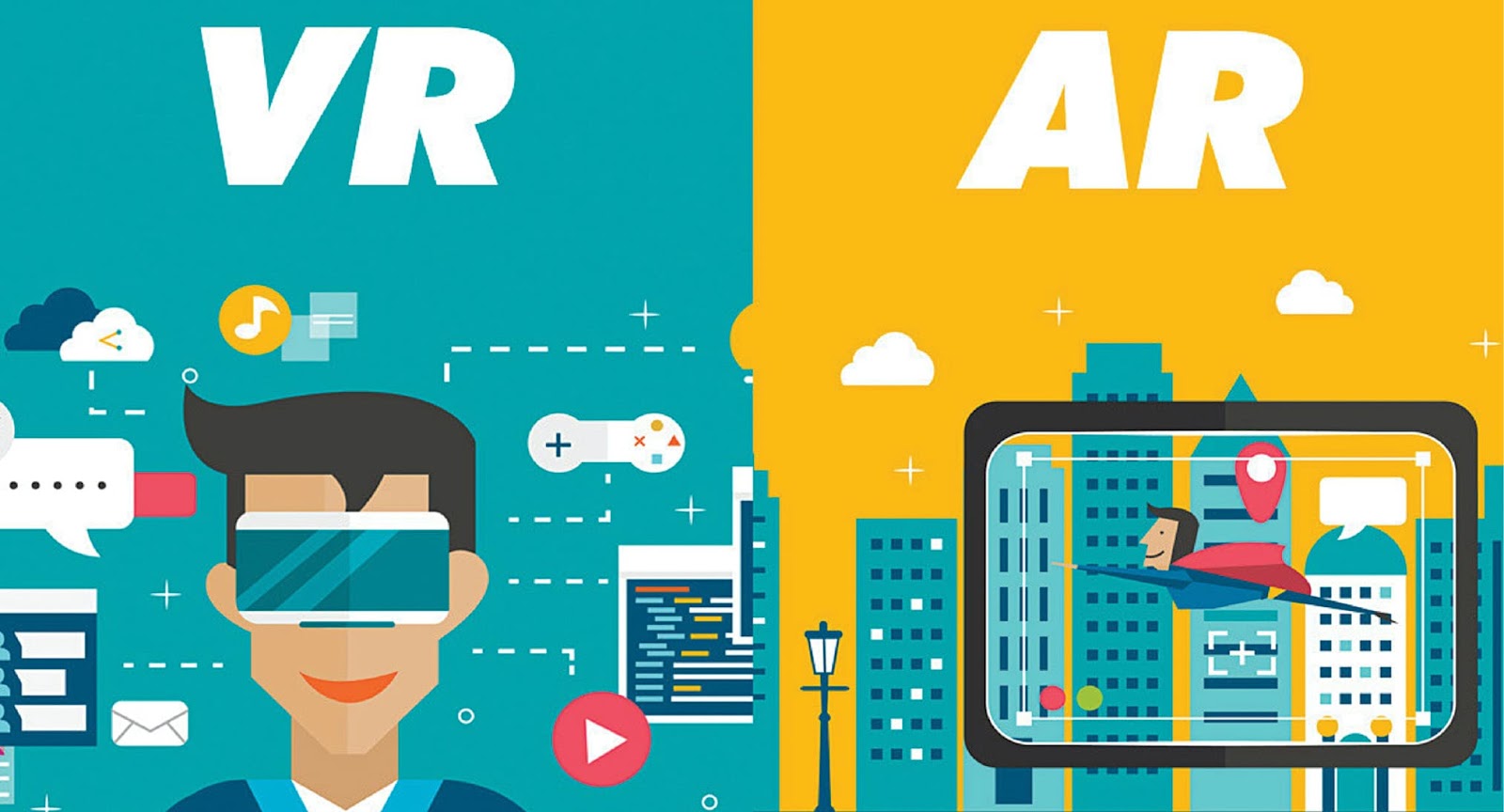
Understanding the difference between augmented reality and virtual reality can be tricky, but a simple breakdown can help. AR adds digital elements to your current environment, while VR replaces your current environment with a new, virtual one. Here’s a look at some key differences:
What is Augmented Reality (AR)?
Augmented reality, or AR, enhances your existing surroundings by overlaying digital elements, creating a blend of the physical and virtual worlds. AR lets you interact with digital objects while staying grounded in the real world. This technology is often accessible through smartphones, tablets, or AR glasses, enabling applications that bring a new level of interactivity and utility.
Examples of Augmented Reality
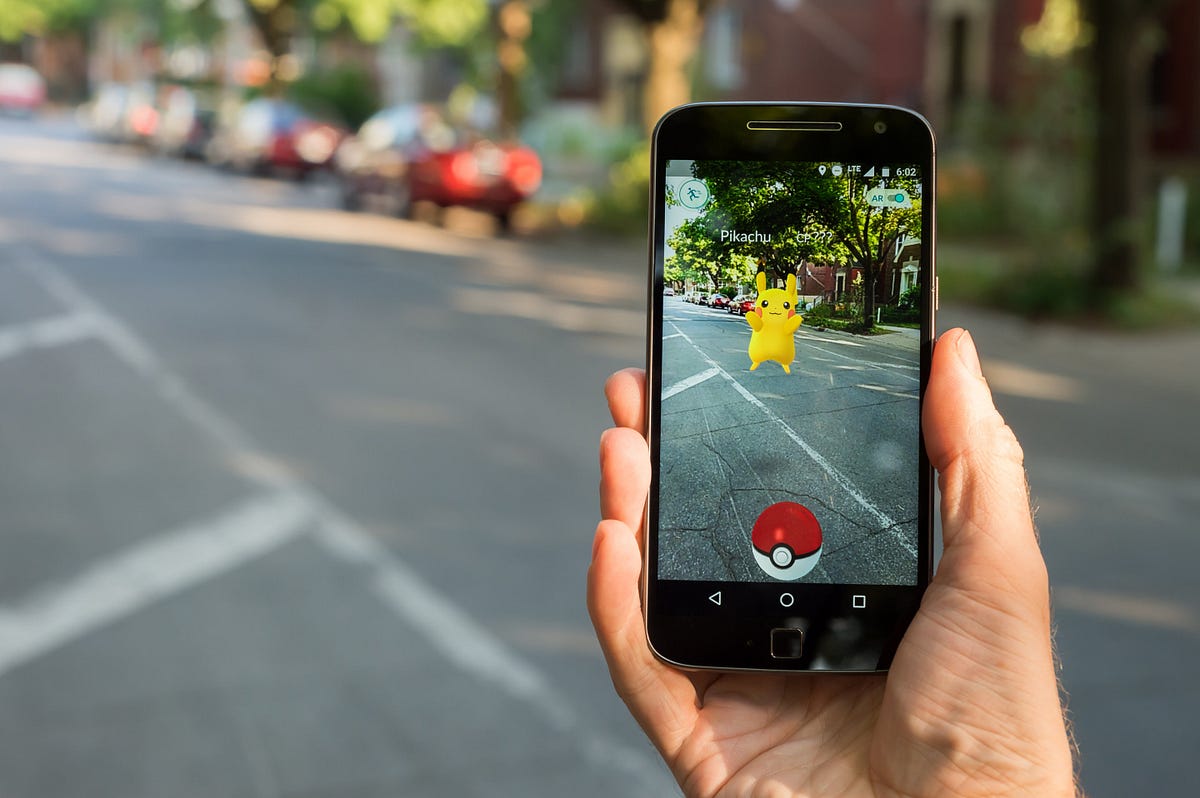
Pokémon Go
This mobile game that took the world by storm in 2016 is a great example of AR. Using your phone, Pokémon are superimposed onto your surroundings, making it look like Pikachu is standing right in your living room!
Snapchat Filters
If you’ve ever added dog ears to your selfies or tried a funky face filter, you’ve experienced AR in action. These filters detect and augment your face with fun graphics.
What is Virtual Reality (VR)?
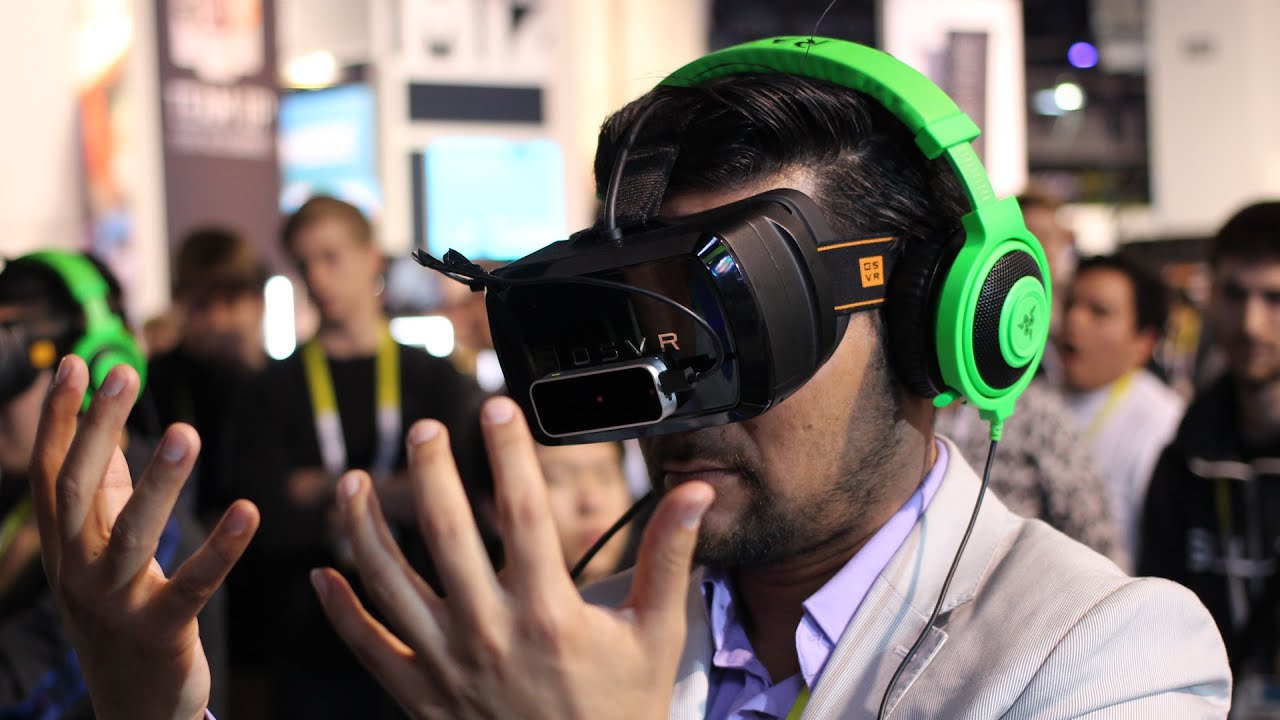
Virtual reality, or VR, is a whole new level of immersion. Instead of adding digital elements to the real world, VR creates a completely digital environment. With the help of VR headsets and controllers, you’re transported into a 360-degree virtual space where you can interact with virtual elements and feel like you’re actually in another world.
Examples of Virtual Reality
Oculus Rift Games
VR gaming headsets like the Oculus Rift immerse players into the game’s world. When you put on the headset, you can be inside a spaceship, a haunted house, or even a faraway planet.
Google Earth VR
Ever wanted to fly over the Grand Canyon or walk around the streets of Paris? Google Earth VR lets users explore various parts of the globe as if they’re actually there.
Features | Augmented Reality (AR) | Virtual Reality (VR) |
Environment | Adds to the real world | Creates a completely virtual world |
Equipment | Phone/tablet, AR glasses | VR headset, controllers |
Immersion Level | Low to medium | High |
Real World Interaction | Maintains some real-world interaction | Completely cuts off from the real world |
How Augmented Reality Works?
In AR, devices like smartphones and smart glasses use sensors, cameras, and software to overlay digital content onto the physical world. Most AR apps use your device’s camera to capture real-world surroundings, while software interprets the scene and places digital objects within it.
For example, in an AR furniture app, you can see a virtual couch in your living room before you actually buy it. This is because AR uses tracking technology to detect surfaces, ensuring that virtual objects appear correctly in the physical space.
How Virtual Reality Works?
Virtual reality works by tricking the brain into believing it’s in a different place. VR devices typically include a headset that displays 3D visuals and often comes with hand controllers. The headset blocks out the outside world and delivers images that adjust as you move, making you feel as if you’re inside a virtual environment.
For example, a VR roller coaster simulates the feeling of a real roller coaster through visuals and movements, giving users a lifelike experience without the need for a physical ride.
Real-Life Applications of AR and VR
Both AR and VR have moved beyond entertainment and are transforming various fields.
Augmented Reality Applications
Retail: Brands like IKEA use AR to allow customers to visualise furniture in their homes before purchasing.
Healthcare: Surgeons use AR for detailed, real-time overlays during complex surgeries.
Education: AR apps bring subjects like history to life by showing students 3D models of ancient artefacts or scientific models.
Virtual Reality Applications
Training: Pilots, surgeons, and even soldiers train in VR simulators for hands-on experience without real-life risks.
Tourism: VR experiences let you “visit” famous destinations, experiencing them as if you’re there.
Therapy: VR is used to treat phobias by exposing individuals to their fears in a controlled, virtual environment.
How AR and VR are Shaping Our Future
The difference between augmented reality and virtual reality becomes even more fascinating when we look at the future potential of these technologies.
AR is likely to become more integrated into our daily routines, from wearable tech to interactive digital displays. VR, meanwhile, is poised to revolutionise areas requiring full immersion, such as training simulations and immersive gaming.
The Future of Augmented Reality
As AR technology advances, the integration of AR glasses in everyday use might become more common. Imagine walking down a street and seeing directions appear right in front of your eyes, or visiting a museum where exhibits come to life with 3D animations. In short, AR will likely enhance how we interact with our surroundings.
The Future of Virtual Reality
The future of VR is incredibly promising, especially in fields that rely on training and education. VR headsets could allow students to learn about historical events by “attending” them virtually or even practising medical procedures without the need for a physical lab.
Pros and Cons of Augmented Reality and Virtual Reality
Pros | Cons | |
|
|
|
|
| |
| ||
|
|
|
|
|
Final Thought
Understanding the difference between augmented reality (AR) and virtual reality (VR) reveals how each technology reshapes our perception of the world. AR adds digital elements to our surroundings, perfect for enhancing real-world interactions, while VR fully immerses users in entirely digital spaces.
Both have vast potential across industries, from education to retail, with AR likely becoming part of daily routines and VR revolutionising training and immersive experiences. While these aren’t core topics in our digital marketing courses, a grasp of AR and VR provides insights into the future of digital engagement. Join us to stay at the forefront of digital trends.
