
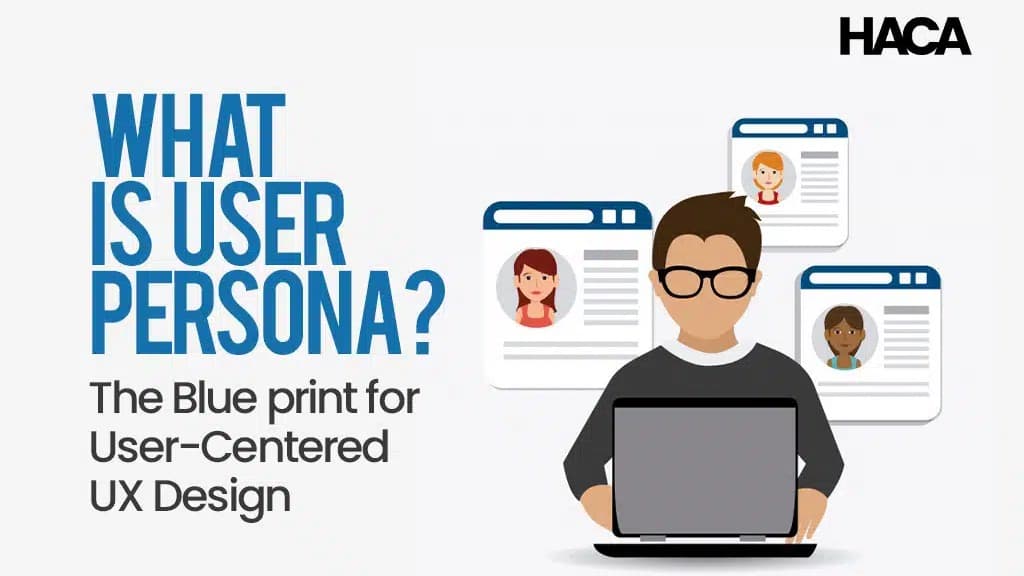
Imagine creating a product without knowing who it’s for—a little risky, right? That’s where the user persona comes in. Now, you might be asking, what is user persona?
We’ve got you covered—here’s the answer.
To create relevant, intuitive user experiences, you must first understand your audience. One way to achieve this is by creating a user persona—a fictional representation of your ideal users based on real data and insights.
In UX, user persona acts as a guiding tool that allows designers and product teams to empathise with their audience, ultimately helping to build products that resonate with users. Let’s understand what a user persona is, why it’s essential, and how it contributes to effective UX design.
What is User Persona?
The answer to what is user persona is straightforward—it’s a detailed representation of your target audience. In UX design, a user persona highlights key characteristics, behaviours, motivations, and needs of the intended users.
By creating these personas, designers gain a clear understanding of whom they’re designing for, which helps them make more user-centred decisions throughout the development process.
Why Do You Need a User Persona?
Understanding why user personas are essential is just as important as knowing what they are. Here are a few reasons why UX designers use personas:
Improves Design Relevance: With a clear user persona, designers can tailor features and experiences that align with the target audience’s specific needs.
Encourages User Empathy: User personas in UX forces designers to think beyond general demographics, focusing on actual user experiences, challenges, and motivations.
Boosts Team Alignment: Clear user personas ensure that all team members share a unified understanding of the target audience, whether it is designers or marketers.
When teams understand what user persona is, they can craft solutions that make users feel understood and valued, which in turn strengthens user loyalty and product satisfaction.
Definition of User Persona
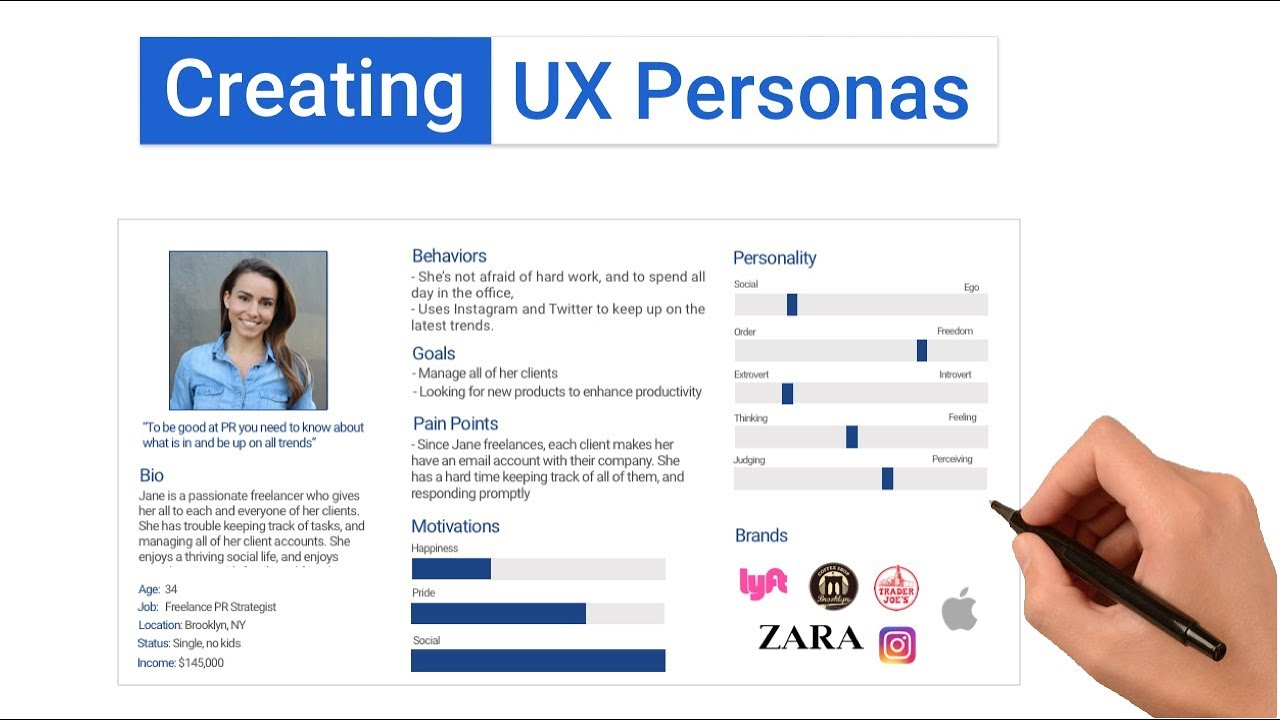
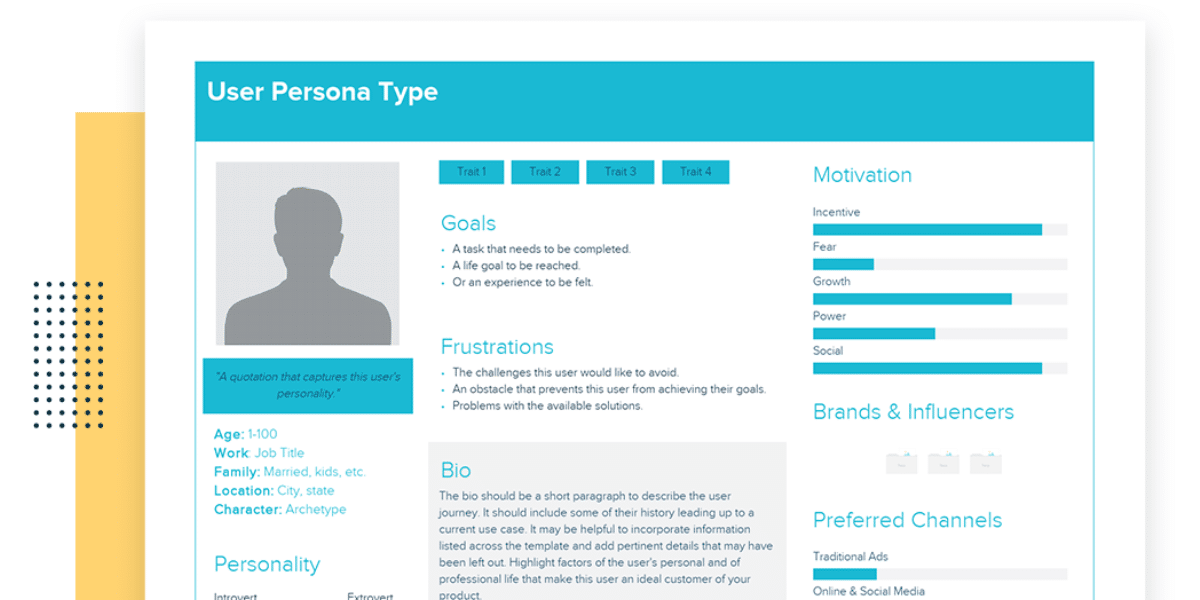
Now that you understand the need for a user persona, let’s define what is user persona in detail. A user persona is a research-based representation of a specific type of user who interacts with the product. It includes demographic information, goals, pain points, behaviours, and motivations.
A well-crafted user persona demonstrates how users might interact with a product, what they expect, and what factors attract them. This information helps UX designers focus on making decisions that align with the user’s journey, creating a seamless and satisfying experience.
What Makes a Good User Persona?
Not all personas are created equal. A good user persona should go beyond basic demographic data and be rich in insights. Here’s what makes a user persona effective:
Data-Driven: A strong user persona is based on real research, such as user interviews, surveys, and analytics.
Briefly Detailed: Include specific information about users’ behaviours, motivations, and goals, but avoid unnecessary details that don’t add value.
Contextually Relevant: Each user persona should address how and why a user would interact with the product or service.
Relatable and Realistic: Personas should feel human, relatable, and specific to the target audience, not generic or one-size-fits-all.
Creating a well-researched persona allows teams to make more insightful and user-centric decisions.
Personas in UX Design: What Are They For?
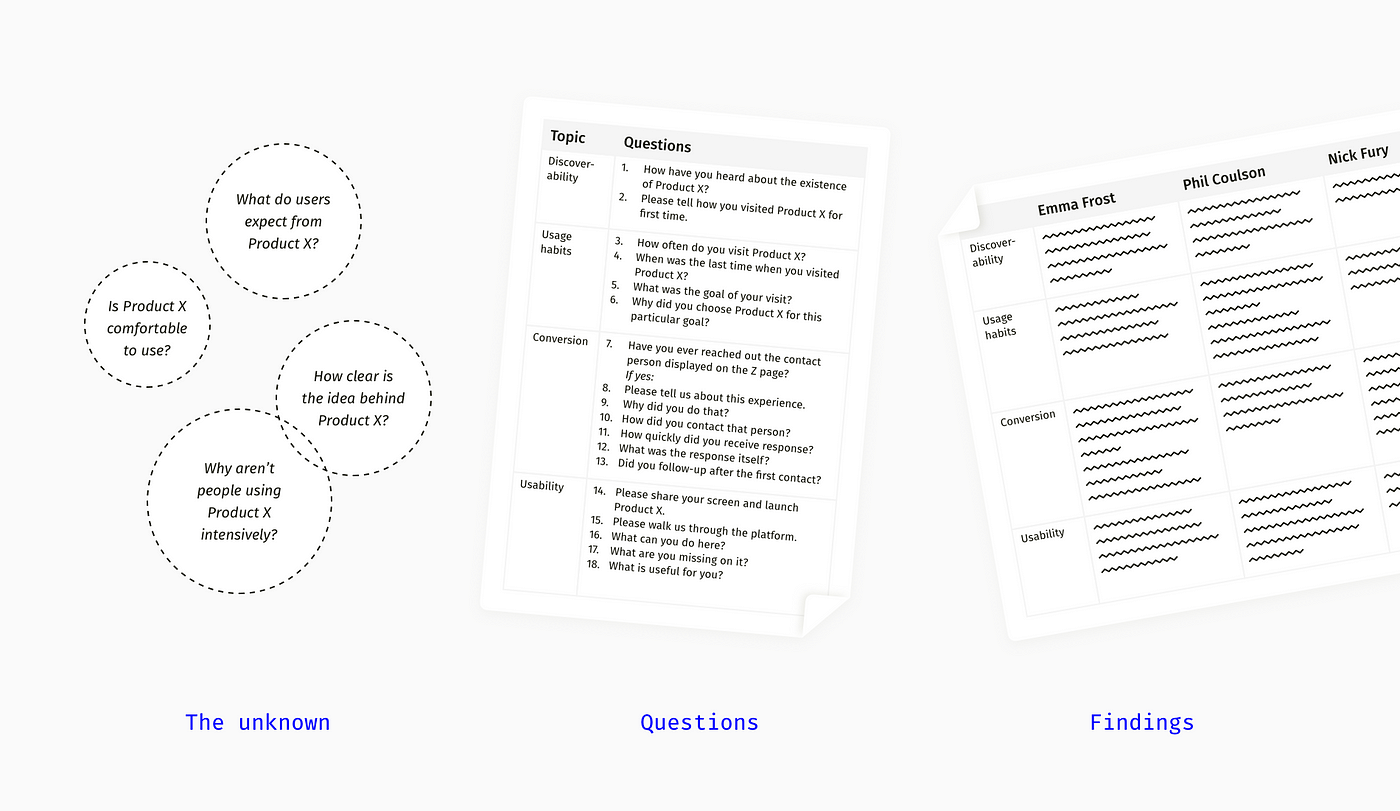
In UX design, user personas help guide the process by ensuring a user-centred approach. Here’s how they are used in UX design:
Informs Design Decisions: When designers have a clear user persona, they can prioritise features and functionality that meet the specific needs of users.
Enhances Content and Tone: Knowing the user personas enables content creators to match the language and tone to the preferences of the audience, improving engagement.
Supports Usability Testing: Personas serve as a benchmark for usability testing, allowing testers to ensure the design meets specific user expectations.
Types of User Personas
User personas come in various forms, depending on the type of product or service. Here are some common types of user personas in UX:
Primary Persona: This is the main user type for whom the product is primarily designed. All major design decisions should satisfy this user’s needs.
Secondary Persona: Although similar to the primary persona, these users may have different needs or use the product differently.
Proto-Persona: A proto-persona is created based on assumptions and quick observations, often used when there’s limited research time. It’s a starting point that should be validated with data.
Customer Persona: Focused more on the business and marketing side, this persona represents buyers who may not necessarily be the end-users but influence the purchasing decision.
For a comprehensive view of your audience, consider using multiple personas.
Final Thoughts
What is user persona is a central question that UX designers must address to deliver user-centric products. By creating detailed, realistic personas, UX teams can ensure that design decisions align well with actual user needs and improve the overall user experience. With well-crafted user personas in UX, teams can remain focused on their audience, ensuring a meaningful and successful product outcome.
And guess what? We’ve figured out your user persona too!
You’re someone passionate about learning the fundamentals of UX, or perhaps just starting out in graphic design. In our graphic design course, we cover it all—from user-centred design to creative basics, giving you the full toolkit you need to succeed. If you’re ready to take the next step, join us and take your first step towards a career in UX design that’s built around the users.
